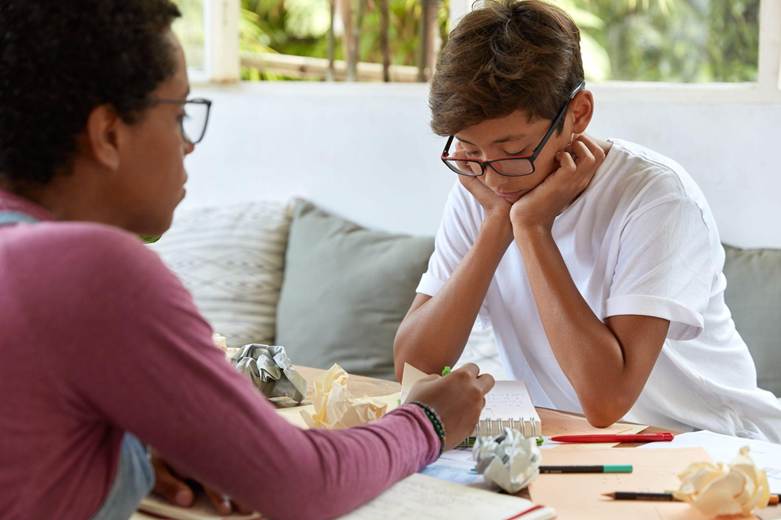
Teenagers inevitably encounter disappointment, conflict, academic pressure, social changes, and other stressful experiences. Eva Carlston Academy reviews may be part of a family’s broader research when exploring adolescent treatment options, but resilience itself deserves a closer look. What actually helps a teenager become better equipped to handle difficult experiences without becoming overwhelmed by every setback?
Resilience is not the absence of distress. It is the ability to adapt, recover, learn, seek appropriate support, and continue moving forward when circumstances become difficult.
What Does Resilience Actually Mean?
Resilience is sometimes confused with toughness or emotional independence. For adolescents, however, it involves a much broader collection of skills.
A resilient teenager may be better able to:
- Recognize and communicate emotions
- Recover after disappointment
- Ask for help when necessary
- Adapt when circumstances change
- Learn from mistakes
- Work through problems rather than immediately avoiding them
- Maintain supportive relationships
- Develop confidence through experience
Importantly, resilience does not mean a teenager never feels anxious, sad, angry, embarrassed, or disappointed. Emotional reactions are normal. Resilience involves developing ways to respond to those emotions without allowing every difficult experience to determine what happens next.
Why Is Adolescence an Important Time to Build Resilience?
Adolescence involves significant developmental changes. Teenagers are gradually developing greater independence while continuing to need guidance and support from adults.
At the same time, friendships and peer relationships often become increasingly important. Academic expectations may increase, family dynamics can change, and teenagers may begin thinking more seriously about identity, relationships, college, careers, and adulthood.
These experiences can create challenges, but they can also provide opportunities to develop practical coping skills.
A teenager who learns how to handle a difficult conversation, recover from an unsuccessful test, manage a disagreement with a friend, or ask for assistance is practicing skills that can remain valuable well beyond adolescence.
Does Resilience Come From Avoiding Difficult Experiences?
Protecting teenagers from every uncomfortable experience can sometimes limit opportunities to develop confidence in their own ability to cope.
That does not mean teenagers should be deliberately exposed to harmful, unsafe, or overwhelming situations. Healthy resilience develops through manageable challenges combined with appropriate support.
For example, a parent might allow a teenager to address a relatively minor school problem independently while remaining available if additional help becomes necessary.
The experience can teach an important lesson: difficulty does not automatically mean helplessness.
How Does Emotional Awareness Build Resilience?
Emotional regulation begins with recognizing what is happening internally.
A teenager who can identify whether they are frustrated, embarrassed, worried, disappointed, overwhelmed, or angry has more information available when deciding how to respond.
Parents can encourage emotional awareness by asking questions rather than immediately trying to solve every problem.
Useful questions might include:
- What happened from your perspective?
- What emotion did you notice first?
- What part of the situation felt most difficult?
- What helped you manage it?
- What might you want to handle differently next time?
This approach turns difficult experiences into opportunities for reflection and learning.
Why Do Supportive Relationships Matter?
Resilience is not something teenagers have to develop alone.
Supportive relationships can give adolescents opportunities to practice trust, communication, accountability, problem-solving, and emotional expression. Parents, siblings, teachers, mentors, coaches, therapists, and healthy peers can all contribute to a teenager’s support system.
Learning when to seek help is itself a resilience skill.
A teenager who recognizes, “I cannot manage this by myself right now,” and reaches out appropriately is demonstrating awareness rather than weakness.
The goal is not to make adolescents completely independent of others. It is to help them develop enough confidence to know when they can handle something independently and when support is appropriate.
Can Failure Help Teenagers Become More Resilient?
Failure can become an important learning experience when teenagers have an opportunity to process what happened rather than being defined by the outcome.
A disappointing grade, unsuccessful audition, rejected opportunity, or friendship conflict can feel significant to an adolescent. Adults may instinctively try to minimize the experience or immediately fix the problem.
Instead, parents can help teenagers examine what happened.
A constructive process might involve:
What happened? → What can I learn? → What can I change? → What can I try next?
The objective is not to suggest that failure is unimportant. It is to help teenagers understand that one disappointing outcome does not have to become a permanent definition of their abilities or future.
What Role Do Healthy Routines Play?
Resilience is also influenced by the ordinary structure of daily life.
Consistent sleep, regular meals, physical activity, school engagement, recreation, and meaningful social connection can provide stability during stressful periods.
Routines cannot eliminate emotional difficulties, but predictable habits can give teenagers reliable anchors when other parts of life feel uncertain.
Extracurricular activities can also contribute to resilience. Sports, music, art, volunteering, clubs, and other interests can give adolescents opportunities to develop skills, experience setbacks, work toward goals, and recognize improvement over time.
How Can Parents Encourage Resilience Without Creating Pressure?
Parents can unintentionally turn resilience into another standard teenagers feel they must meet.
Telling a struggling teenager to simply “be stronger” may communicate that difficult emotions are unacceptable. A more constructive approach acknowledges the difficulty while reinforcing the teenager’s ability to work through it.
Parents can communicate that:
- Difficult emotions are normal.
- Asking for help is acceptable.
- Mistakes can be examined without becoming personal failures.
- Problems can sometimes be solved gradually.
- Progress does not always happen in a straight line.
This creates room for teenagers to develop coping abilities without feeling obligated to appear strong at all times.
When Should Families Consider Professional Support?
Resilience-building strategies are not substitutes for professional mental health care when a teenager is experiencing significant or persistent difficulties.
Changes in mood, behavior, school functioning, relationships, sleep, eating patterns, or safety may warrant discussion with a qualified mental health professional. Immediate safety concerns, including suicidal thoughts or self-harm, require prompt professional attention and appropriate emergency support.
A qualified therapist can help identify individual needs and develop strategies related to emotional regulation, communication, coping, relationships, and problem-solving.
What Does Lasting Resilience Look Like?
A resilient teenager will not necessarily remain calm during every stressful situation or handle every setback perfectly.
A more realistic goal is gradual development.
Over time, resilience may look like recognizing emotions earlier, recovering after setbacks, asking for support, communicating more effectively, learning from difficult experiences, and becoming increasingly confident about handling future challenges.
Those abilities develop through practice rather than appearing all at once.
Helping Teens Become More Capable, Not Invulnerable
The purpose of building resilience is not to make teenagers immune to stress. Difficult experiences are an unavoidable part of life, and emotional responses are a normal part of being human.
The more practical goal is to help adolescents develop a collection of coping skills, relationships, routines, and problem-solving abilities that can help them respond to challenges with greater flexibility.
When teenagers learn that they can experience difficulty, seek appropriate support, learn from mistakes, and try again, resilience becomes more than an abstract personality trait. It becomes a set of practical skills they can continue strengthening throughout adolescence and into adulthood.